Living in Palm Jumeirah
Palm Jumeirah is the reclaimed island shaped like a palm tree, built by Nakheel from the early 2000s. It has three parts: the trunk, with most of the apartment buildings, the mall and the monorail; the fronds, lined with villas that back onto the water; and the crescent, the outer breakwater taken up mostly by resort hotels, with Atlantis The Palm at its centre. A tunnel under the lagoon links the trunk to the crescent.
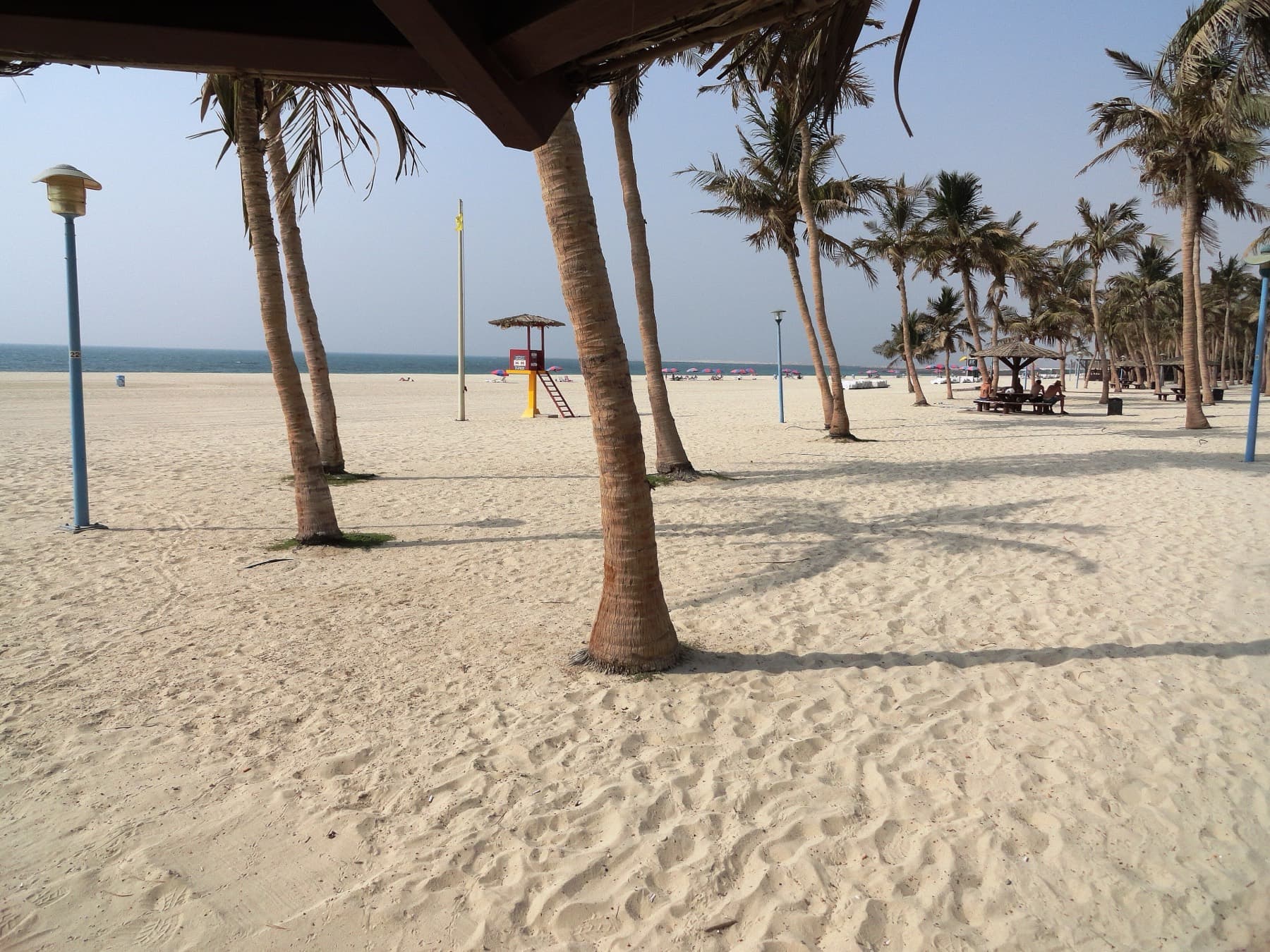
Life here is quieter than in the Marina, despite the visitors. Villa streets on the fronds see little through-traffic and each house has its own stretch of beach, while many apartment buildings on the trunk have private beach access. The catch is that it is an island: most traffic funnels through the base of the trunk onto Al Sufouh Road and Sheikh Zayed Road, which backs up at rush hour.
The Palm is largely built, but it keeps changing. New branded residences are going up on the trunk and the crescent, and many frond villas are being extended or rebuilt by their owners. Expect construction in some spots for years to come, and check what is planned around any building or plot you are considering.
- 01
Private beaches on the fronds
Frond villas have gardens that run down to their own stretch of sand, which is rare anywhere else in the city.
- 02
Hotels on the doorstep
Atlantis The Palm, Atlantis The Royal and the other crescent resorts give residents beach clubs, spas and a long list of restaurants a few minutes away.
- 03
The Pointe and West Beach
The Pointe, opposite Atlantis, has waterfront restaurants and The Palm Fountain, while West Beach on the trunk is lined with beach clubs.
- 04
Monorail along the trunk
The Palm Monorail runs from Palm Gateway at the base of the island to Atlantis, stopping at Palm Jumeirah Mall on the way.
Lifestyle and amenities
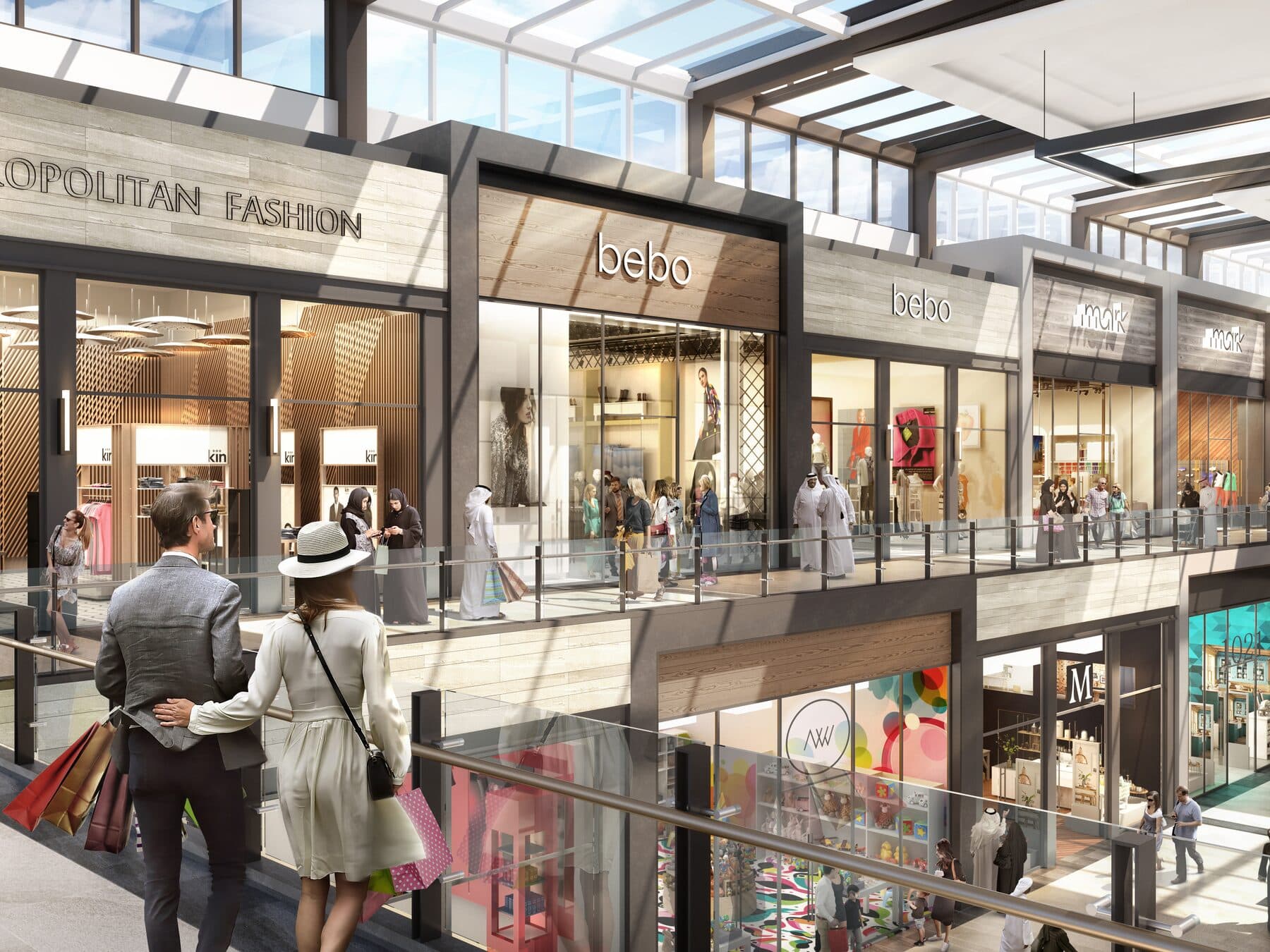
Palm Jumeirah Mall (formerly Nakheel Mall) on the trunk covers daily shopping with a supermarket, gyms and restaurants, and The View at The Palm observation deck is in the tower above it. Golden Mile Galleria at the base of the island has more cafés and everyday services. Evenings are often spent at The Pointe, the beach clubs on West Beach, or the hotel restaurants along the crescent.
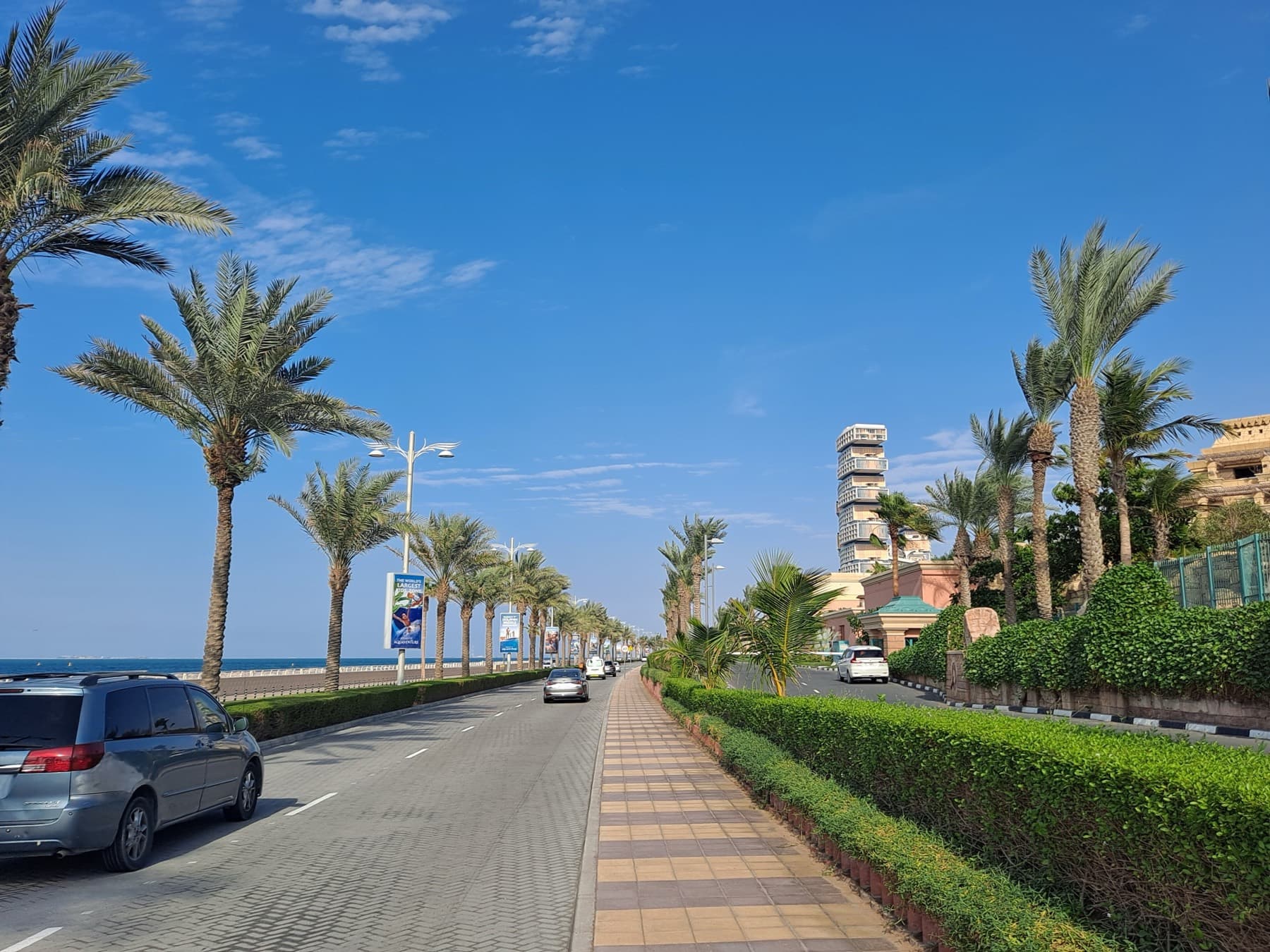
The island suits runners and cyclists: the boardwalk around the inside of the crescent is busy early in the morning, and the trunk's waterfront paths are used every evening. Families use Al Ittihad Park, a landscaped strip along the trunk, and Aquaventure Waterpark at Atlantis.
Getting around
The Palm Monorail runs the length of the trunk, from Palm Gateway station at the base, which is linked by footbridge to the Palm Jumeirah tram stop, to Atlantis Aquaventure on the crescent. It is handy for visitors, but most residents get around by car or taxi. Traffic from the trunk feeds onto Al Sufouh Road and Sheikh Zayed Road, and the base of the island gets congested at rush hour and on busy weekends.
- Dubai MarinaAbout 10 minutes by car
- Mall of the EmiratesAbout 15 minutes by car
- Downtown DubaiAbout 25 minutes by car
- Dubai International Airport (DXB)About 30–35 minutes by car
- Al Maktoum International Airport (DWC)About 35 minutes by car
- Red Line metroVia monorail and tram, or about 10 minutes by taxi
Schools and healthcare
There are nurseries on the island but no large schools, so school runs mean leaving the Palm. The nearest options are in Al Sufouh and Al Barsha: Dubai College and GEMS Wellington International School are around 15 minutes away, and the American School of Dubai in Al Barsha is a little further. Clinics on the trunk handle everyday medical needs, and the nearest hospitals are in Al Barsha, including Al Zahra Hospital and Saudi German Hospital, around 15 minutes by car.
Property in Palm Jumeirah
The Palm offers three distinct kinds of home. Frond villas, mainly Garden Homes and the larger Signature Villas, sit on beach plots. On the trunk, early buildings such as the Shoreline Apartments have their own beaches and pools. The top of the market is made up of newer branded residences, such as those at Atlantis The Royal and Six Senses on the crescent.
Buyers range from families who want a villa by the sea to holiday-home investors, a popular choice given the steady flow of visitors. On the trunk, check the age of the building and its service charges, which vary widely; on the fronds, check the plot, which way the beach faces and whether any extension was approved. Because many owners have rebuilt, two neighbouring villas can be very different.
Best suited to
- Families wanting a beach villa
- Holiday-home investors
- Top-end buyers
- Couples who want resort-style living
Frequently asked questions
Can foreigners buy on Palm Jumeirah?
Yes. Palm Jumeirah is freehold for all nationalities, and buyers receive a title deed from the Dubai Land Department. Villas, townhouses and apartments are all open to foreign ownership.
Is there a metro on the Palm?
No, but the Palm Monorail runs the length of the trunk from Palm Gateway to Atlantis. At the Gateway end a footbridge links it to the Dubai Tram, which connects to the Red Line. Most residents still rely on cars and taxis.
Are there schools on Palm Jumeirah?
There are nurseries on the island but no large schools. Families typically use schools in Al Sufouh, Al Barsha and Emirates Living, around 15 to 20 minutes away, so the school run is part of daily life.
What is the difference between the trunk, the fronds and the crescent?
The trunk is the central spine with most of the apartments, Palm Jumeirah Mall and the monorail. The fronds are the branches lined with beachfront villas. The crescent is the outer ring, mostly hotels and resorts plus a few residential projects, reached through a tunnel under the lagoon.