Living in Dubai Silicon Oasis
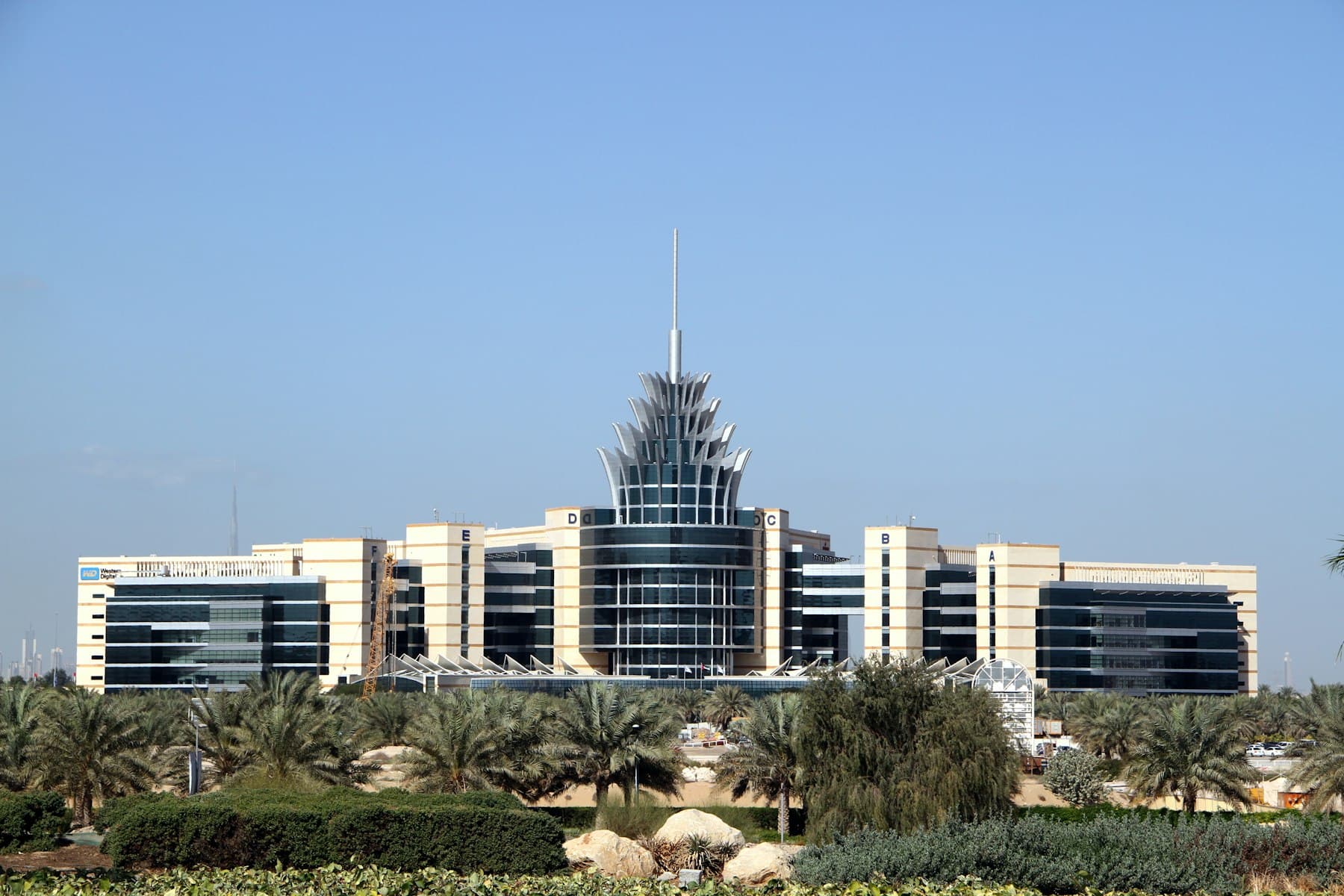
Dubai Silicon Oasis, usually shortened to DSO, began as a technology free zone and business park run by a government authority, and a residential district grew up around it. It sits on the eastern side of the city where Al Ain Road meets Sheikh Mohammed Bin Zayed Road, beside Dubai Academic City and a short drive from International City and Mirdif.
Most homes are apartments in mid-rise buildings put up over the past two decades by a long list of developers, with Binghatti among the most active. There are also villa and townhouse clusters, Cedre Villas being the best known, with private gardens and quiet internal roads. Residents include people who work in the free zone, staff and students from the nearby universities, and families who want more space for their budget.
DSO is practical rather than glamorous. It has its own mall, a hospital, schools and a university campus, so daily errands rarely mean leaving the area. The weak points are transport and distance: there is no metro yet, the Blue Line station is not due until 2029, and the drive across the city to Dubai Marina or Jebel Ali is long at rush hour.
- 01
Daily needs close by
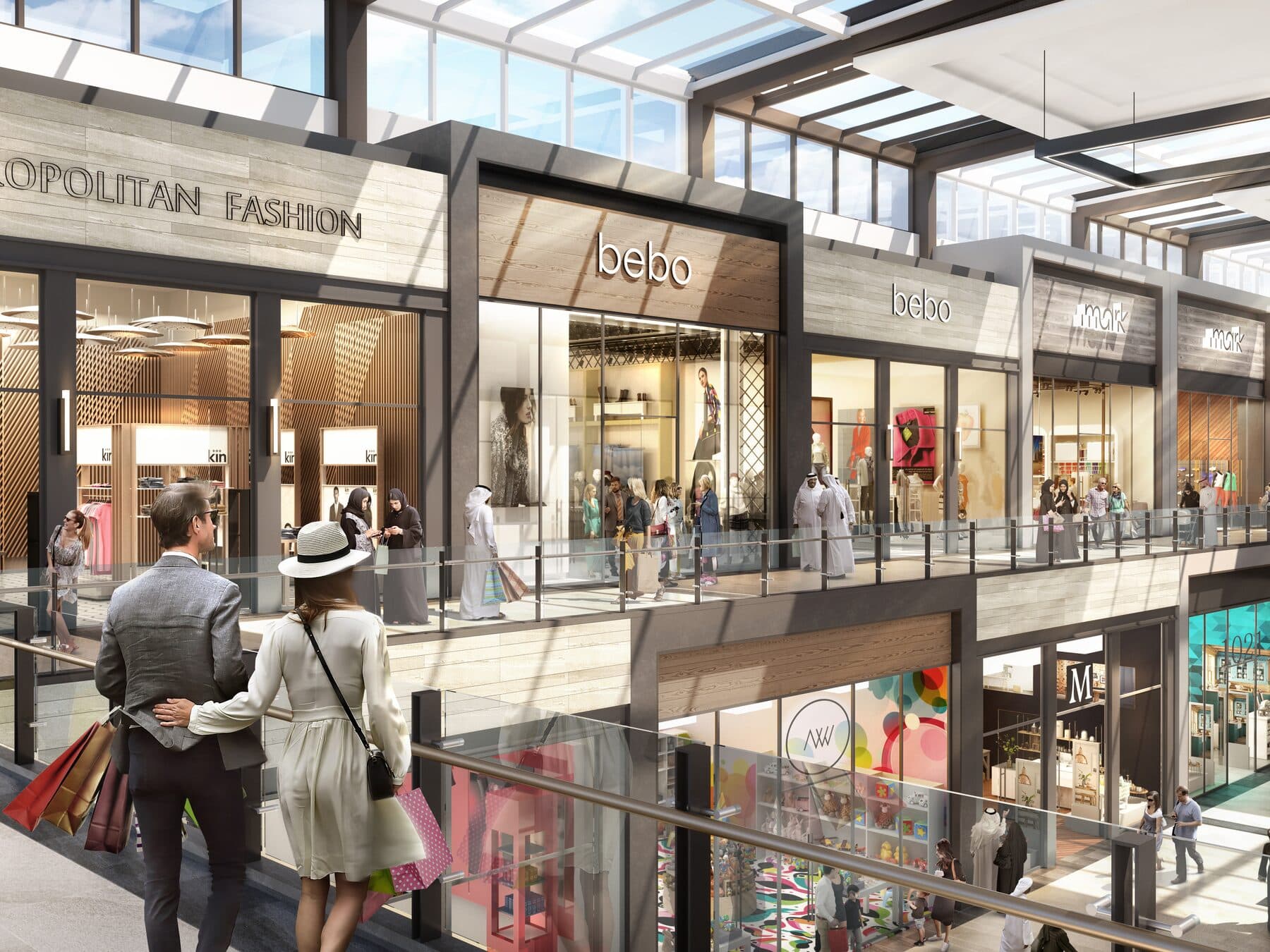
Silicon Central mall, anchored by a LuLu Hypermarket and with a cinema, plus Fakeeh University Hospital and several schools are all inside the community.
- 02
Blue Line on the way
A Dubai Metro Blue Line station is under construction in DSO and due to open in 2029, linking the area to the existing Red and Green lines.
- 03
Villas with gardens
Cedre Villas and the other low-rise clusters give families gardens and parking at a lower cost than villa communities closer to the coast.
- 04
Two major roads
Al Ain Road and Sheikh Mohammed Bin Zayed Road meet at the edge of the community, so Downtown, the airport and Sharjah are all within reach by car.
Lifestyle and amenities
Life in DSO revolves around the community's own facilities. Silicon Central is the main mall, anchored by a large LuLu Hypermarket, with a cinema, restaurants and a gym, and smaller shops sit at the base of many apartment buildings. Parks, play areas and walking paths run between the residential clusters, and Dubai Outlet Mall on Al Ain Road and Dragon Mart in International City are a short drive away for bigger shopping trips.
Evenings are quiet. This is a residential suburb rather than a nightlife area, and people head to Dubai Festival City, Downtown or Dubai Creek Harbour when they want a night out. The upside is less noise and easier parking than in the denser parts of the city, though parking pressure varies from building to building.
Getting around
DSO has no metro station today. The Blue Line, now under construction, will have a stop in the community near Fakeeh University Hospital, with opening planned for 2029. Until then, residents rely on cars, taxis and RTA buses that connect to Red Line stations such as Centrepoint. Al Ain Road (E66) heads west towards Business Bay and Downtown, and Sheikh Mohammed Bin Zayed Road (E311) runs north to Sharjah and south towards Dubailand. Both are heavy at peak hours.
- Dubai International Airport (DXB)About 20 minutes by car
- Downtown DubaiAbout 20–25 minutes by car
- Dubai Academic CityAbout 5–10 minutes by car
- City Centre MirdifAbout 15 minutes by car
- Centrepoint metro stationAbout 15–20 minutes by car
- Dubai MarinaAbout 35–40 minutes by car
Schools and healthcare
The community has its own schools, including GEMS Wellington Academy Silicon Oasis, which offers British and IB programmes, and The Indian International School, which follows the Indian CBSE curriculum. Dubai English Speaking College is next door in Academic City, and GEMS Modern Academy in Nad Al Sheba is about 15 minutes away. Nurseries are spread through the residential areas. Fakeeh University Hospital, inside DSO, provides full hospital care, and RIT Dubai, the local campus of the Rochester Institute of Technology, is within the free zone.
Property in Dubai Silicon Oasis
Apartments make up most of the market, from studios to three-bedroom units, in buildings that range from older blocks to recent projects with more amenities. Tenant demand comes from people working in the free zone, at the universities and across Academic City and Dubailand, plus families who want more space than central districts allow. The villa and townhouse clusters, such as Cedre Villas, change hands less often and appeal to families who want a garden without moving far out.
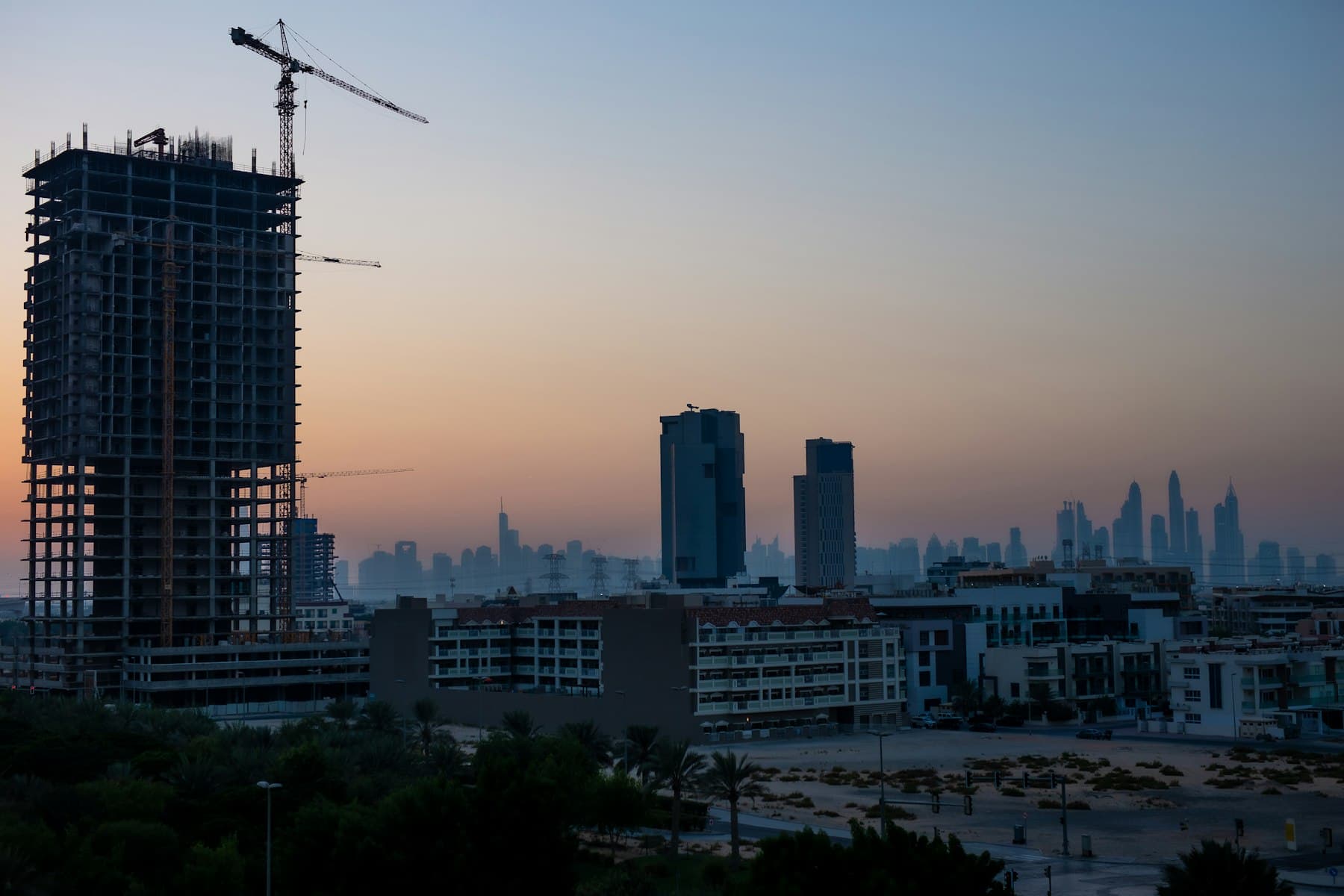
New launches keep coming, so some streets have active building sites. When buying, compare service charges and upkeep between buildings, as standards vary more here than in single-developer communities, and check how many parking spaces come with the unit. Homes within walking distance of the future Blue Line station are worth a look, but treat the 2029 opening as a target rather than a promise.
Best suited to
- People working in DSO or Academic City
- Families on a mid-range budget
- First-time buyers
- Investors after steady tenant demand
Frequently asked questions
Can foreigners buy property in Dubai Silicon Oasis?
Yes. DSO is a freehold area, and buyers of any nationality can own apartments, townhouses and villas there. As with any purchase, confirm the title details for the specific unit before paying a deposit.
When will the metro reach Dubai Silicon Oasis?
A Blue Line station is under construction in DSO, near Fakeeh University Hospital, with the line due to open in 2029. Until then, the nearest stations are on the Red Line, such as Centrepoint, reached by bus or taxi.
Is DSO a good place for families?
It is a practical choice. Schools, a hospital, parks and a hypermarket are all inside the community, and villa clusters such as Cedre Villas have gardens. The downside is the commute if a parent works in Dubai Marina or Jebel Ali.
Do I need to work in the free zone to live in DSO?
No. DSO combines a technology free zone and business park with a residential district, and anyone can buy or rent a home there. Companies in the free zone operate under free zone licences, which has no bearing on residents.